
The Day I Learned What Aircraft Ownership Really Means
If you want the cause, skip to What Caused It.
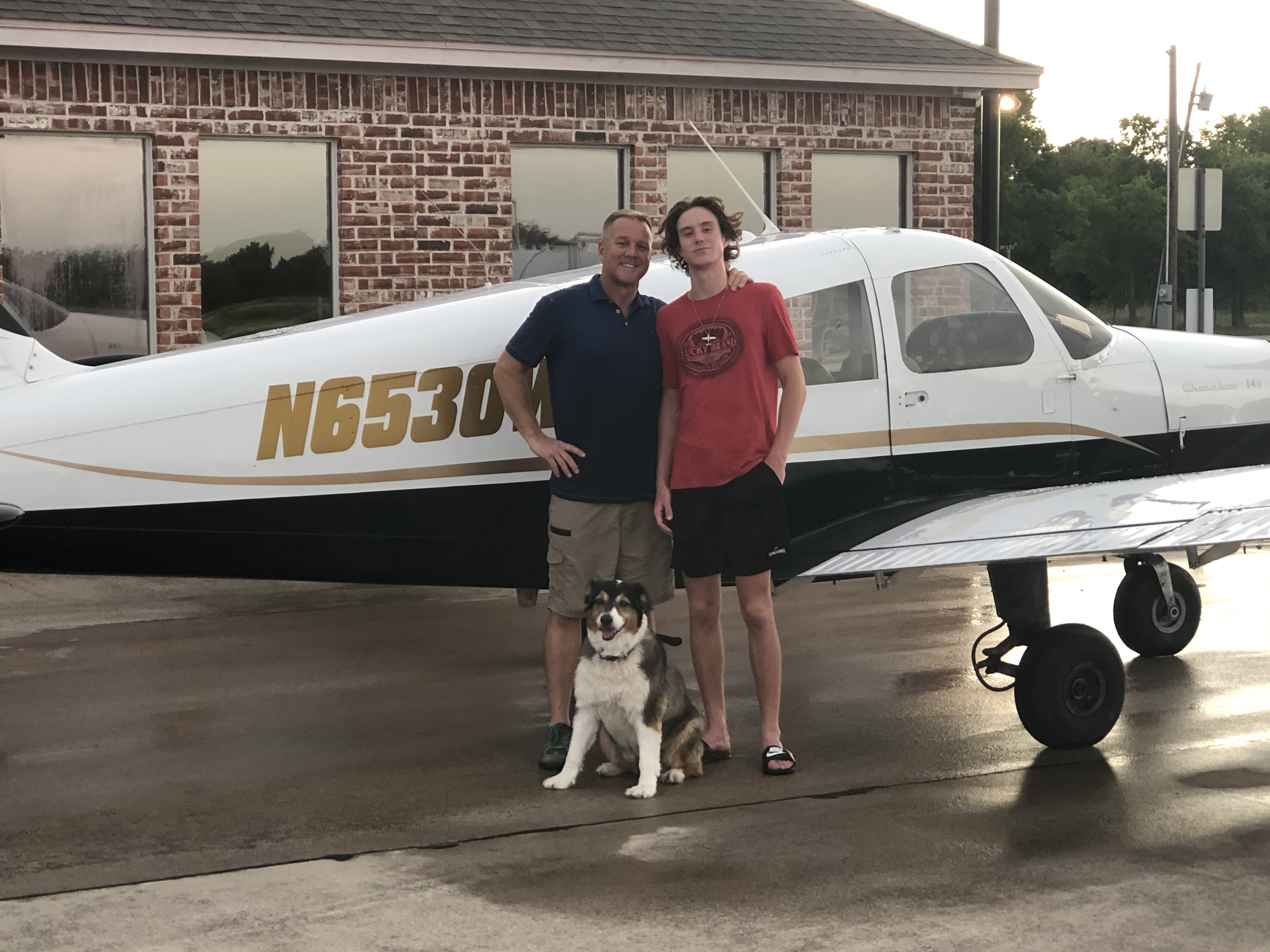
I bought my Cherokee 140 on June 29th, 2020.
Middle of COVID. Everyone was a little off… myself included.
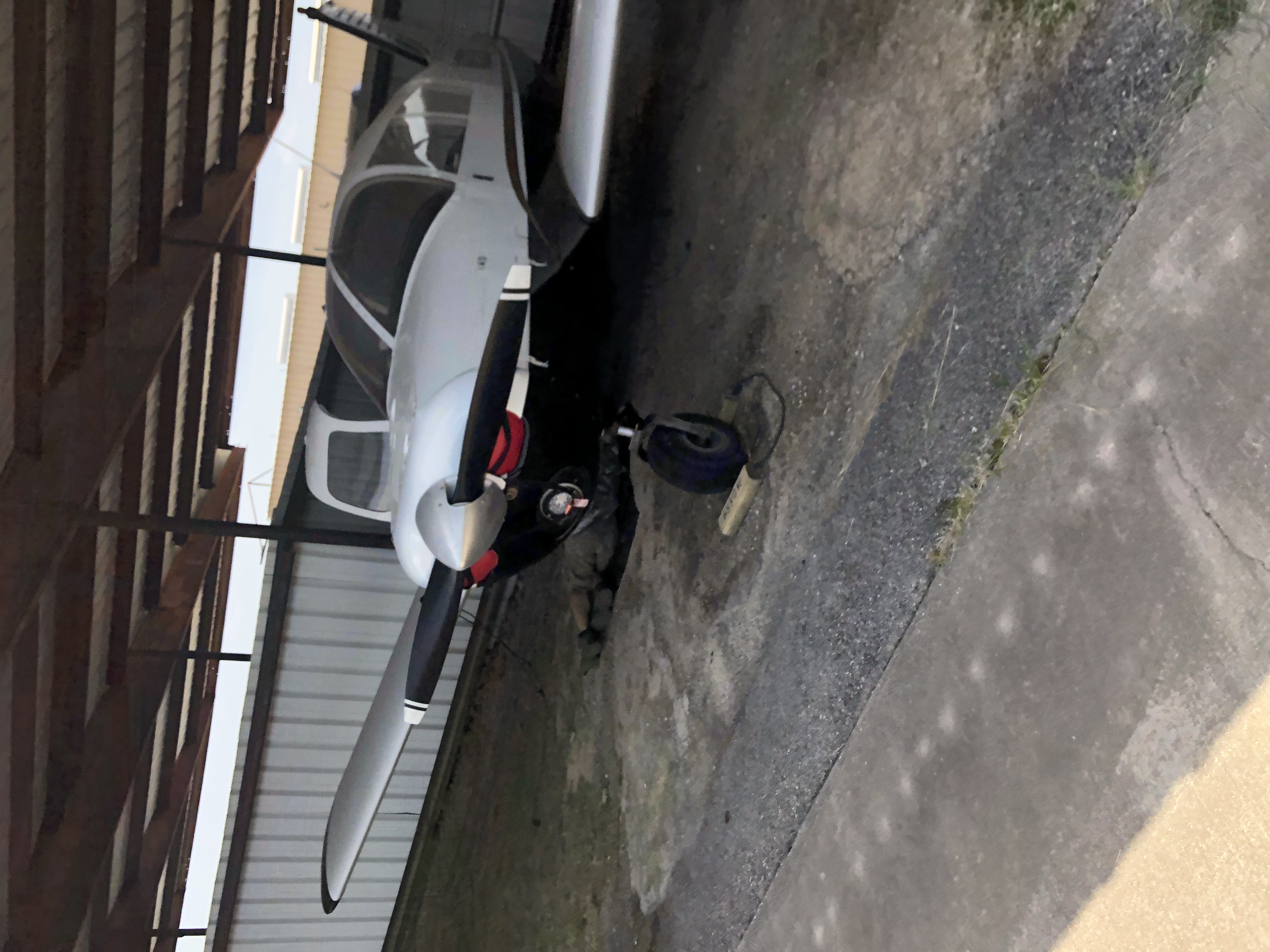
The airplane had been sitting. Out of annual. Dirty. T-hangar, but still exposed to the elements.
I made the deal contingent on it passing an annual. The owner had his mechanic do it—the same guy who’d been maintaining it.
Logbook entry said:
“I certify this aircraft is in an airworthy condition.”
Good enough, right?
I bought it.
The First Clue (That I Ignored)
Next day I grabbed a buddy—A&P and CFI—to get checked out.
We flew it hard. Everything worked. Engine was strong. Flew great.
After shutdown he goes:
“It flies great… but that was a crappy annual.”
I asked what he meant.
He points at the floor.
Dead bugs. Dirt. Junk.
Then says:
“A real annual? They open everything. Pull carpet. Clean it. Actually look.”
None of that had been done.
But… airplane flew great.
So I moved on.
July 1 — Two Flights
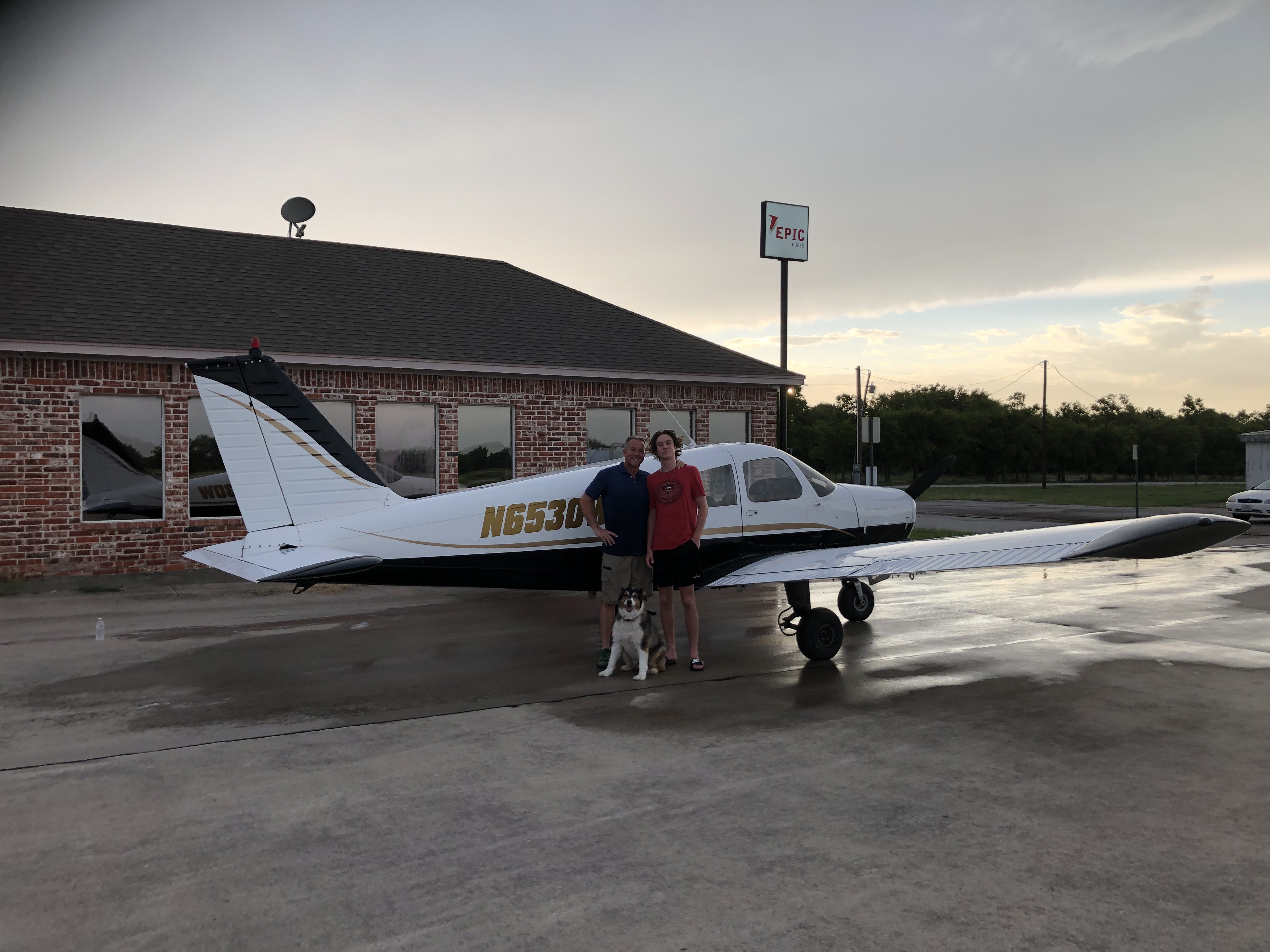
Took both my boys up.
First flight—easy. Around the pattern. No issues.
Second flight—swapped passengers. Oldest out, his buddy in. My younger son stayed in the back.
Taxied out. Did another run-up—more for show than anything.
Everything looked good.
Rolled onto the runway.
Full power.
Airspeed alive.
Rotate.
Climbing through maybe 150 feet…
The engine didn’t quit.
But it sure as hell wasn’t making power anymore.
The Lie You Tell Yourself
I turned left. Pattern direction.
In my head:
“I can make it back.”
That lasted about three seconds.
As soon as I banked, it was obvious.
Nope.
We’re not making anything.
We’re going straight.
Options Shrinking Fast
Straight ahead—field.
That was the plan.
Then I see the trees at the edge. Maybe I make it, maybe I don’t.
Then I see the power lines.
Alright… not that.
Turned to parallel the lines.
Looked out front—didn’t like it.
Looked down.
Shorter trees. Better option.
At that point, decision was easy.
I pushed it over and flew it into the trees.
Bob Hoover was right: “Fly the airplane all the way through the crash site.”
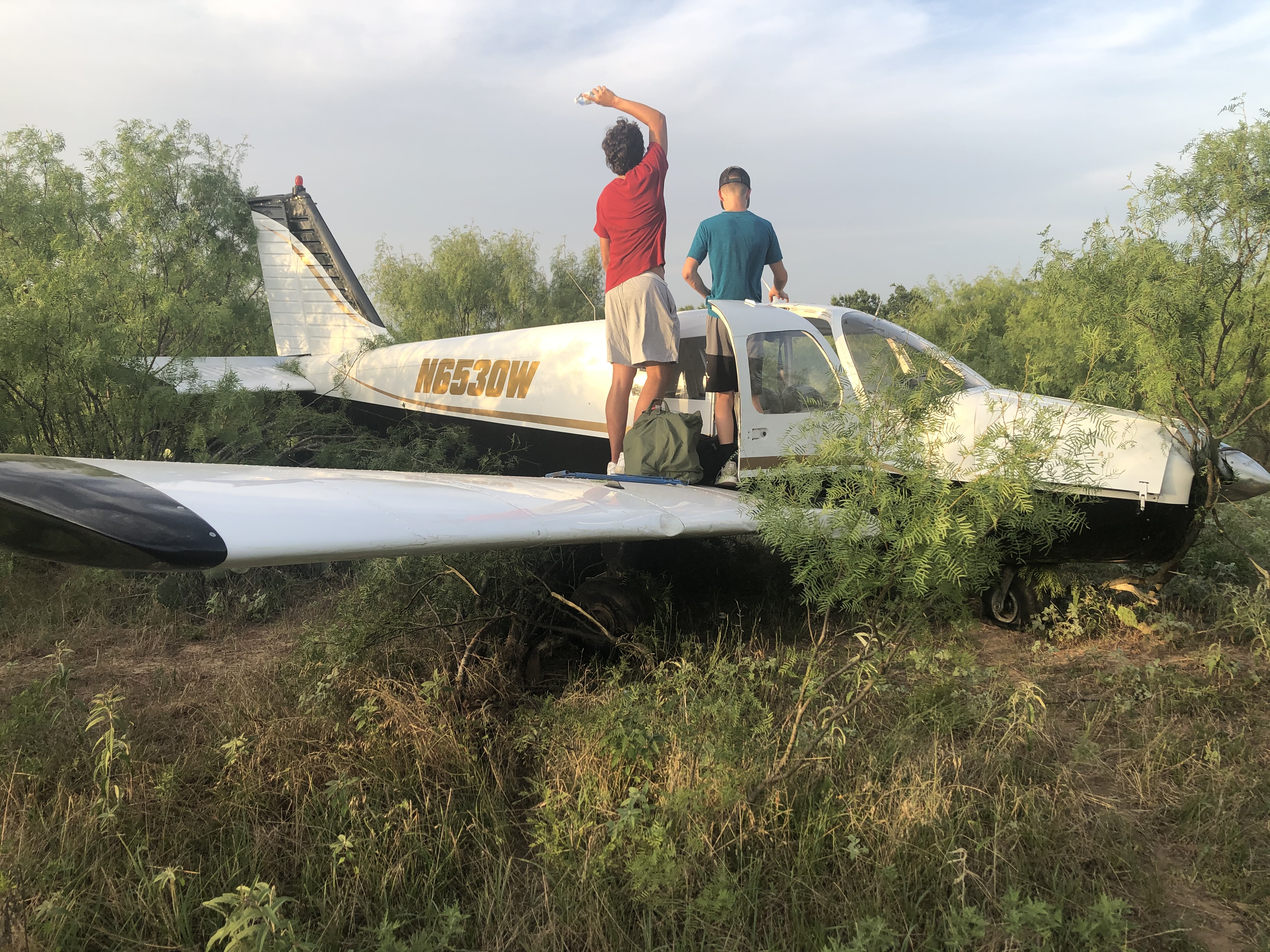
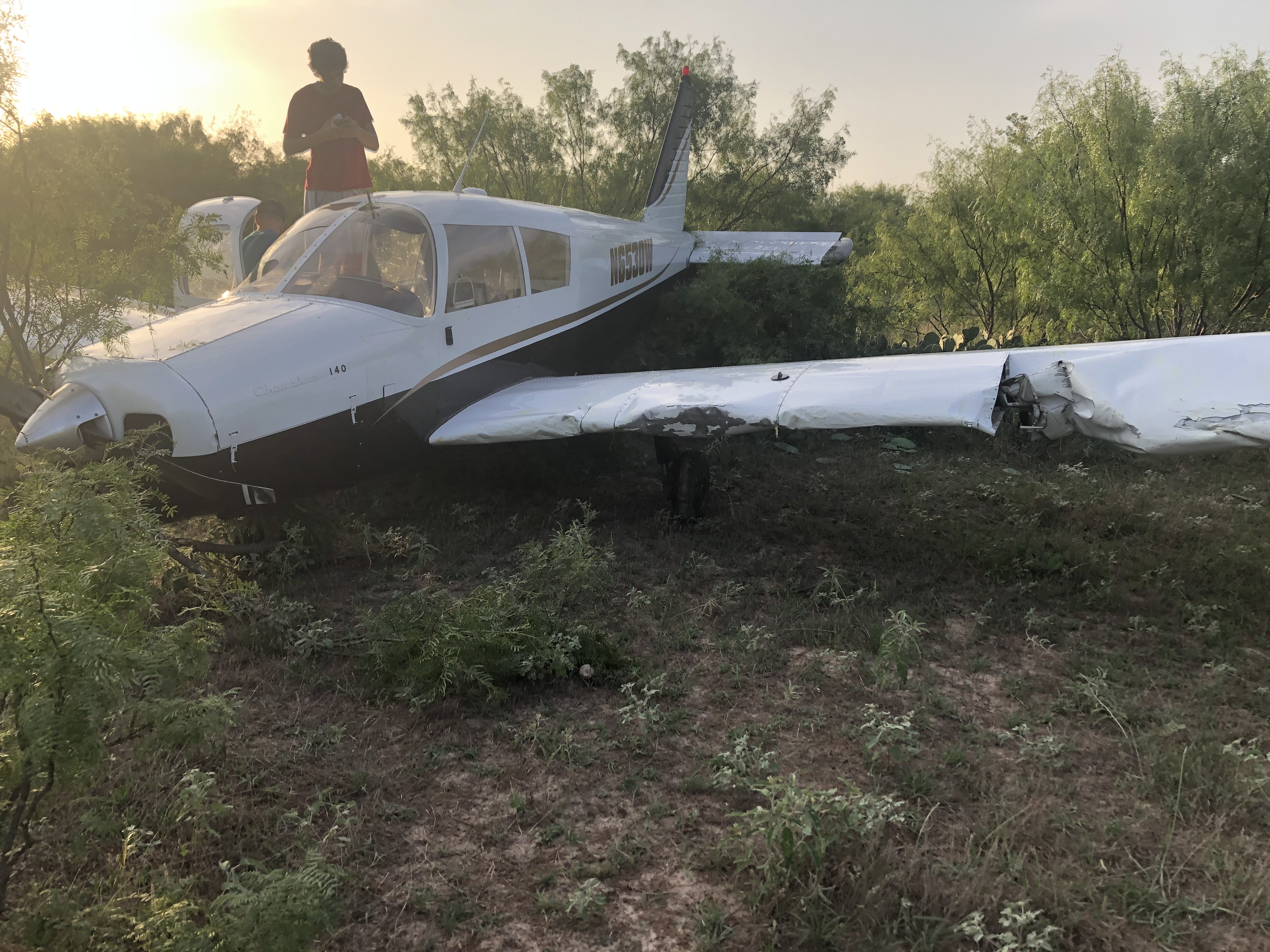
Final resting position after landing in the trees
The Landing
Honestly?
Not that bad.
I’ve had rougher carrier landings! (and maybe once in a Super 80 😂)
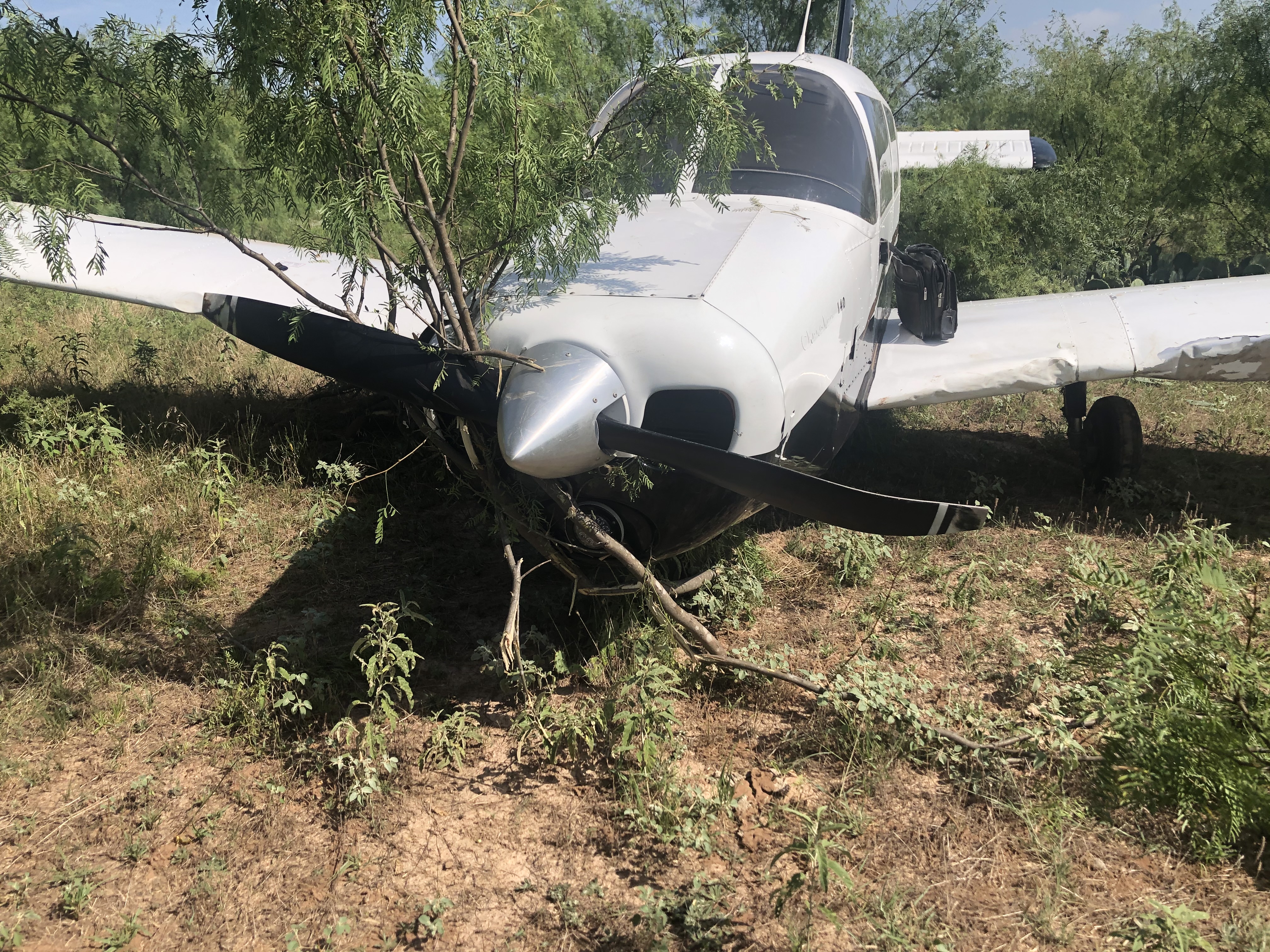
After It Stops
Told the boys:
“Get out. Now.”
We got out and moved away—thinking fuel, fire, all of it.
Then I realized…
I left everything on.
So I went back, shut it down.
Then called my wife:
“Hey… I had to put the airplane down off airport.”
IMPORTANT NOTE: Do not use the word “crash” on that phone call!
What Caused It
NTSB investigated.
Mud dauber nest in the carb / induction.
The previous annual said the air filter was replaced.
This annual?
No idea if it was ever opened.
Mechanic said he checked it—and he’s right, those things can build a nest overnight.
But the airplane had been sitting.
Dirty. Untouched.
And nobody really looked inside.
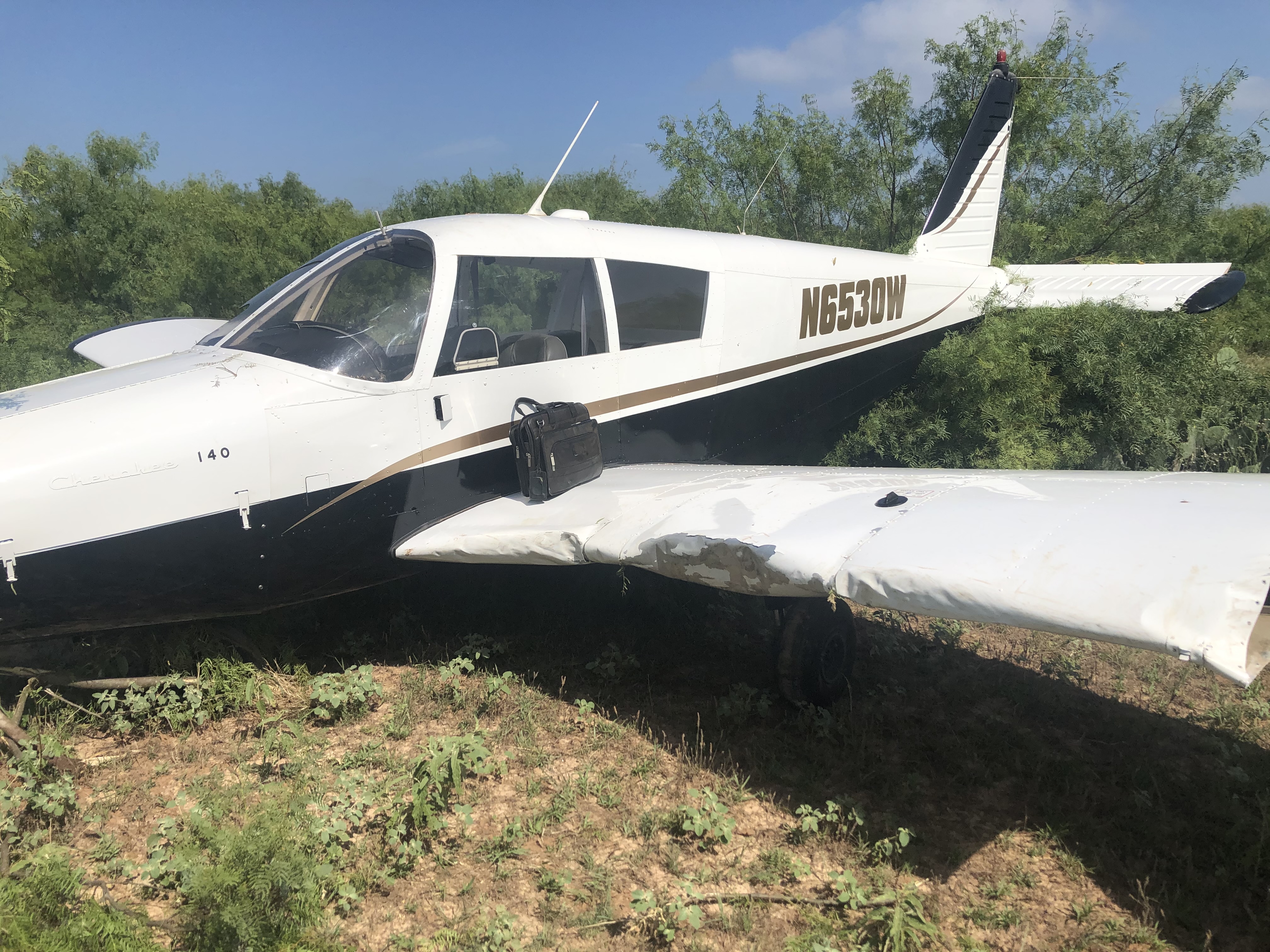
Damage was surprisingly limited considering the landing
What I Got Wrong
Didn’t crack the door before touchdown.
Didn’t secure the airplane before getting out.
But that’s not the real takeaway.
What Changed
That day flipped a switch for me.
Not because it instantly made me an expert.
Because it forced me to stop treating logbooks like background paperwork and start understanding what they actually meant.
I went from a vague, surface-level understanding of aircraft records to actively digging through them—line by line, entry by entry, document by document.
And once I did, I found what a lot of owners eventually find:
errors, omissions, weak entries, wrong entries, and missing supporting paperwork.
Why AirLogbooks Exists
This is exactly why I built AirLogbooks.
Not because software replaces mechanics.
Not because digital records magically prevent bad decisions.
And not because a clean app can fix a careless owner.
I built it because this experience forced me to actively understand aircraft logbooks—and once I did, I realized how easy it is for important details to get buried, missed, or assumed.
The incident opened my eyes.
Building AirLogBooks is what took me the rest of the way.
I’ve also been fortunate to learn from some truly excellent mechanics—people who took the time to explain, teach, and help me understand what I was really looking at.
That’s what turned a hard lesson into an integrated digital logbook system that helps create a real team out of pilots, mechanics, and owners—one designed to see the records clearly, track what matters, and understand whether the airplane is actually in the green.
The Part That Still Bothers Me
If I had turned right instead of left, there was a dirt road maybe 10 degrees off the departure end.
Perfect spot.
Flat. Clear. No trees. No wires.
I just didn’t know it was there.
Because I hadn’t looked.
In the airlines, we brief initial turn direction before every takeoff:
“If we lose an engine here, this is where we’re going.”
No thinking. No guessing.
But in my own airplane?
Did the run-up. Checked winds. Took the runway.
Never once said:
“If this thing quits at 200 feet… where am I going?”
That decision should’ve been made on the ground.
Not at 150 feet.
The Real Lesson
Get a comprehensive pre-buy inspection from a neutral third party.
That matters.
But the deeper lesson is this:
a signed logbook entry is not the same thing as real understanding.
I thought “annual complete” meant safe.
It doesn’t.
It means someone signed the book.
That matters—but it does not remove the owner’s responsibility to understand the airplane, the records, and the gaps where problems can hide.
A lot can go wrong through complacency, ignorance, laziness—or all three.
Are you actually in the green?
Or are you just hoping you are?