
About AirLogbooks
I bought my first general aviation aircraft in 2020—and three days later......
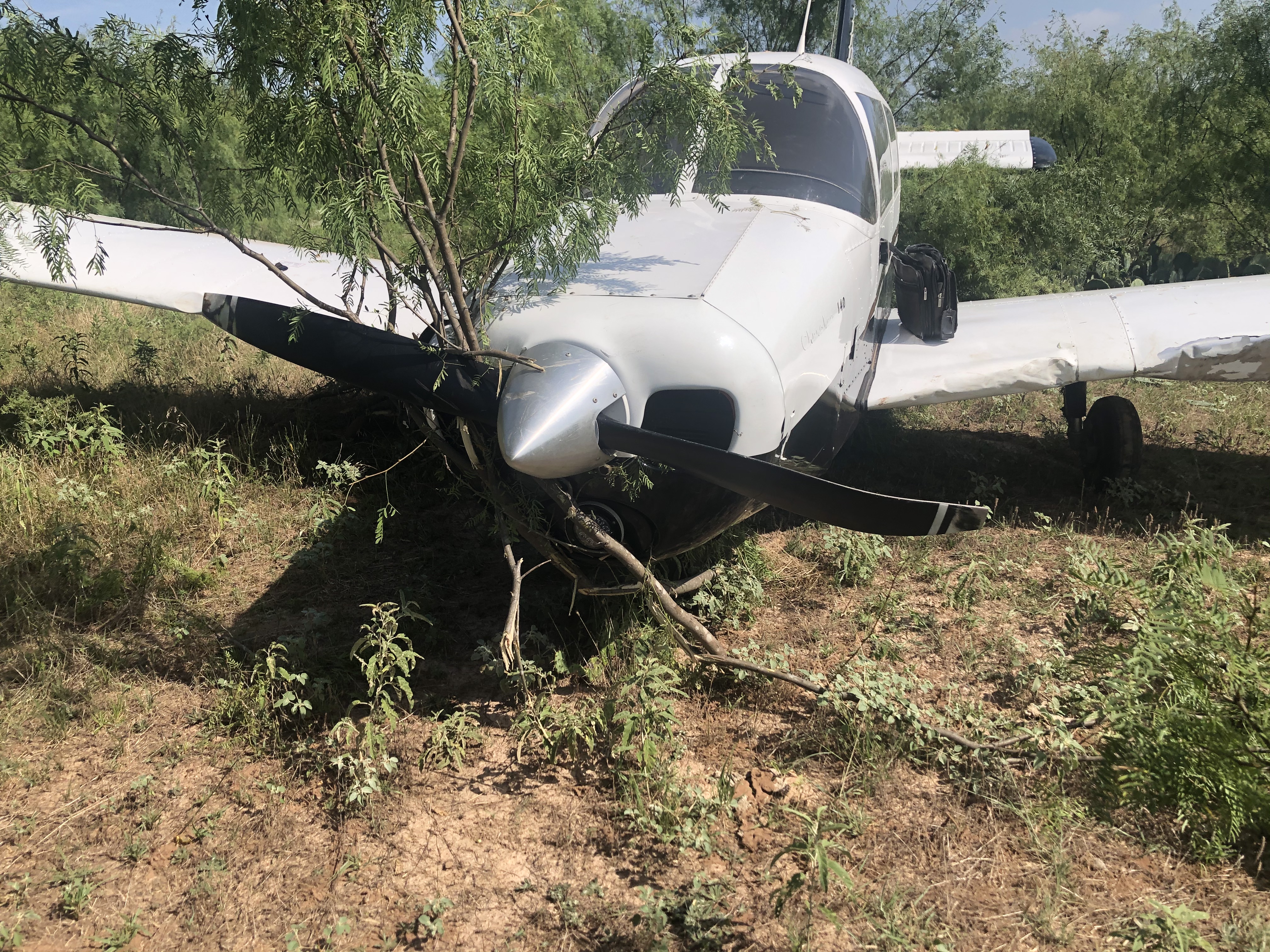
I crashed it!
I used to think aircraft logbooks were primarily the responsibility of the mechanics who maintained them. I didn’t realize—ignorantly—that the owner is ultimately accountable.
When I started digging into the records, I saw how fragmented everything really is—airframe, engine, prop, AD compliance, service bulletins, inspections, avionics checks, ELT requirements—not to mention STCs, 8130-3s, 337s, burn certifications—all scattered across pages, entries, and formats.
It wasn’t just difficult to manage—it was difficult to know if anything was actually current.
Like most owners, I tried to solve it myself—starting with spreadsheets. What began as a simple tracking tool quickly turned into version after version of “final” files that never quite worked.
No alerts. No clarity. No confidence.
It became obvious there had to be a better way ... so I decided to build one.

For the past 3 1/2 years—working with a dedicated development team, along with input from mechanics, CFIs, and Designated Pilot Examiners—we built a system designed around how aviation actually works.
I really wanted my flight logs to update my aircraft logs, so I always knew they were current and up to date. AirLogbooks brings aircraft records and pilot records into one place—tracking maintenance, ADs, flight activity, and currency in a way that’s clear, connected, and usable.
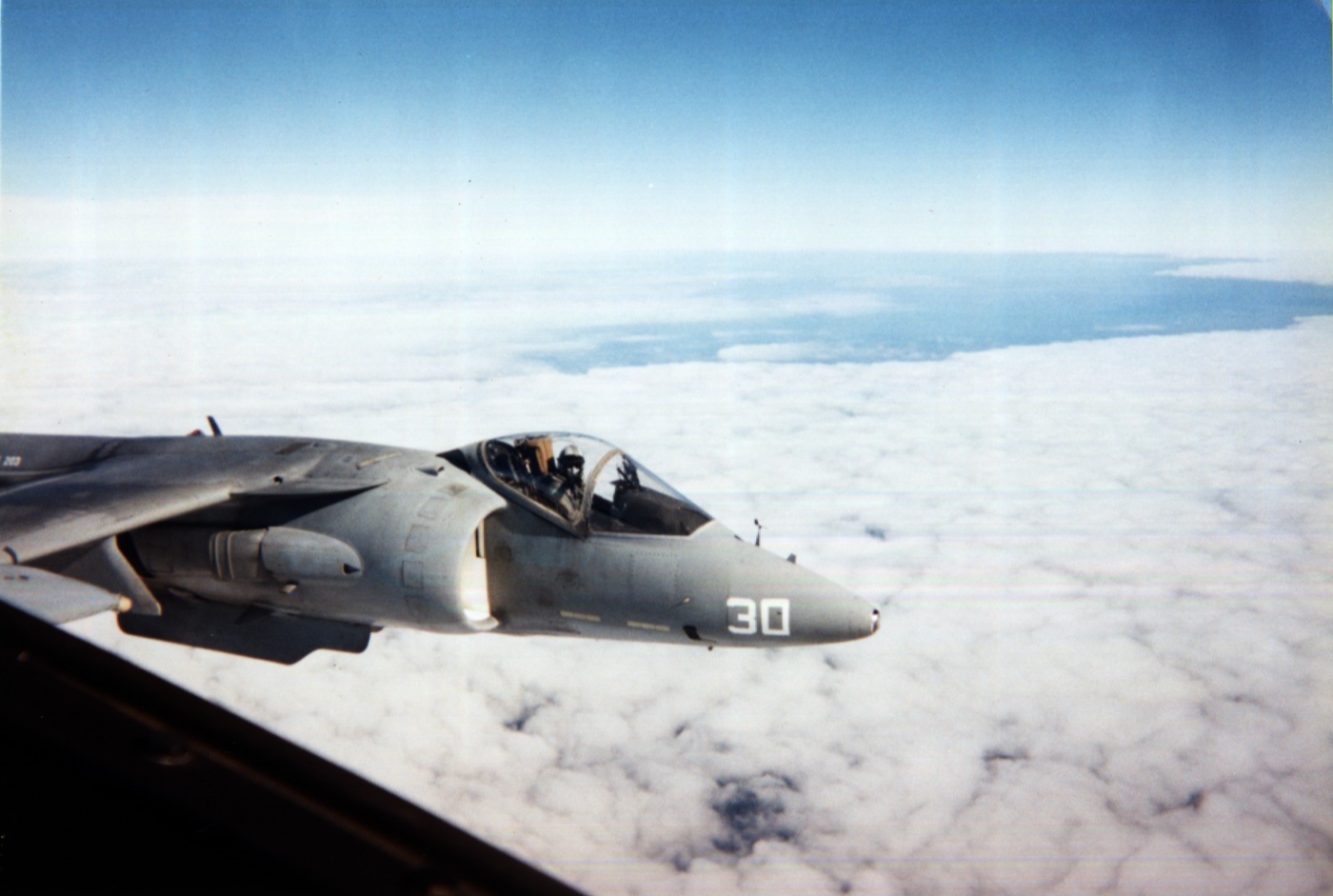
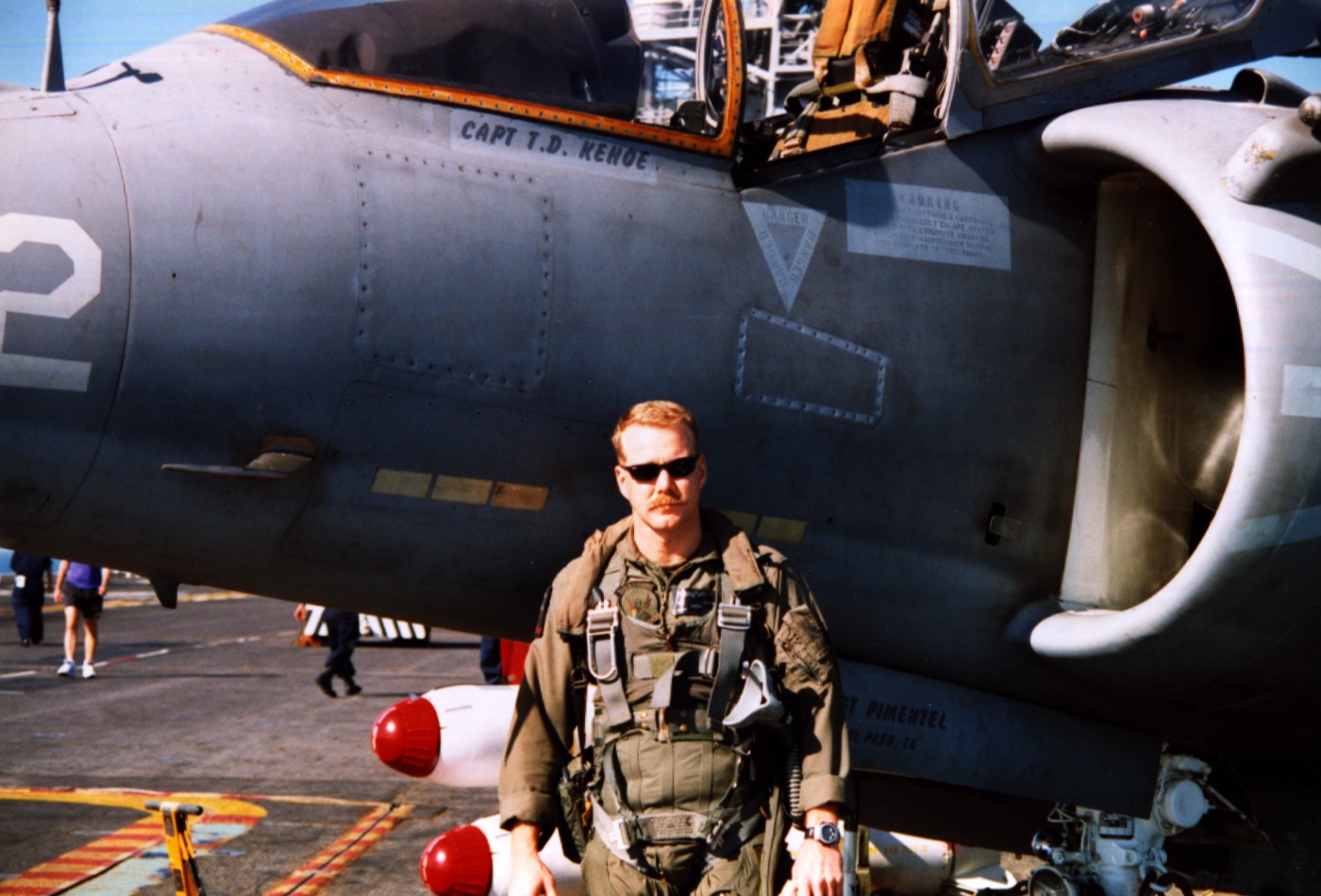
My aviation background shaped how this system was built. I started as a U.S. Marine Harrier pilot, where discipline and standardization are non-negotiable—but where mechanics largely manage the records.
I’ve spent the last 26 years as an airline pilot and currently fly the Boeing 787. I am type rated in the Boeing 757, 767, 777, and 787. I’ve also owned multiple aircraft and experienced firsthand the gaps in general aviation record keeping.
I built this because I needed it. If you’ve ever felt buried in logbooks, ADs, and maintenance tracking—you probably do too.
Fly Smart,
Troy Kehoe
More time flying, less time complying.
Because keeping a clean, accurate aircraft logbook shouldn’t feel like doing your taxes.